
Sandalwood logs
Sandalwood logs come from the Santalum tree, prized for their rich fragrance and high oil content. They are used in perfume making, incense, traditional medicine, and carving. The heartwood is the most valuable part, known for its aromatic essential oil.
Types of Sandalwood
- Indian Sandalwood (Santalum album): Highly valued, with a sweet, warm scent.
- Australian Sandalwood (Santalum spicatum): More sustainable and slightly sharper in aroma.
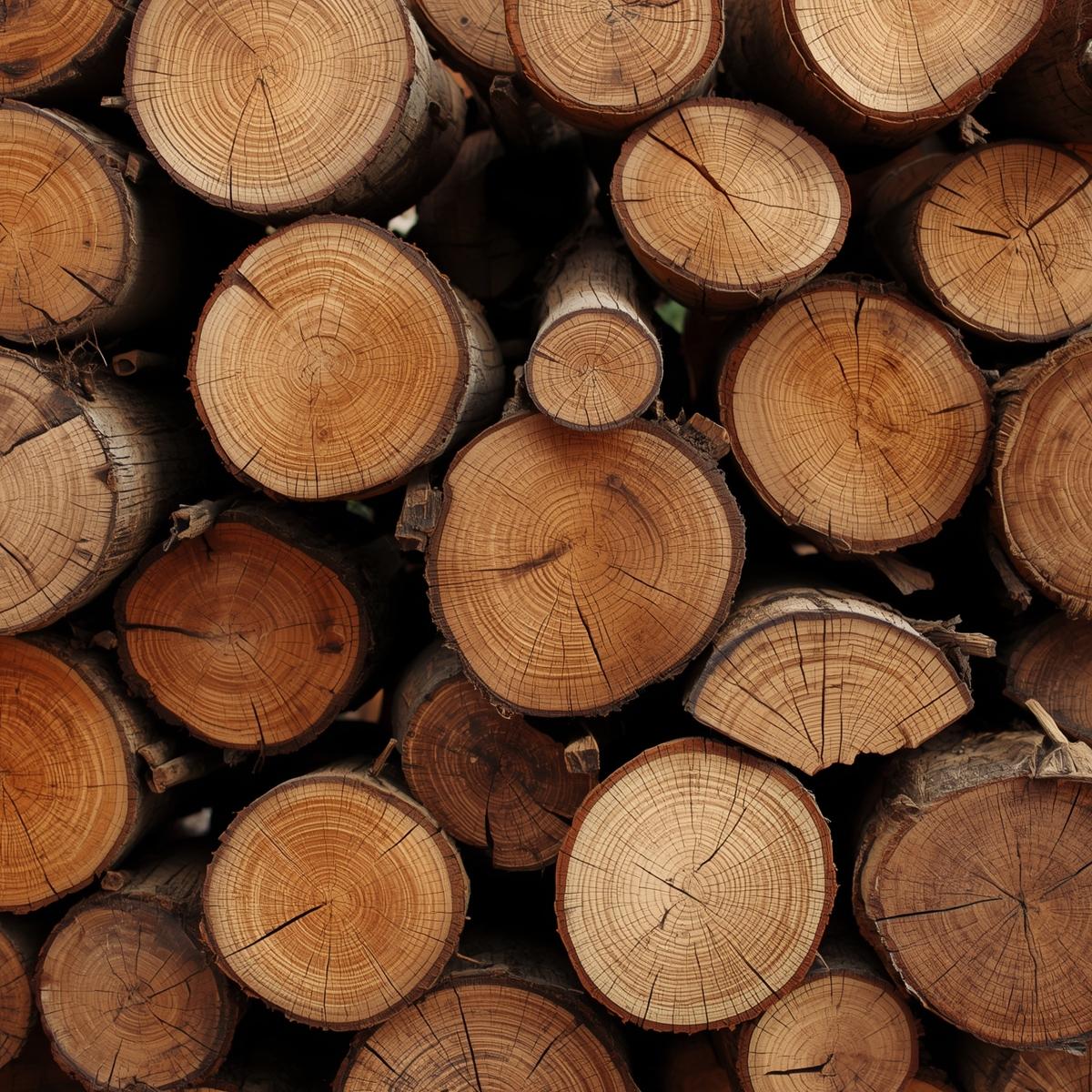
Sandalwood logs
Sandalwood logs come from the Santalum tree, prized for their rich fragrance and high oil content. They are used in perfume making, incense, traditional medicine, and carving. The heartwood is the most valuable part, known for its aromatic essential oil.
Types of Sandalwood
- Indian Sandalwood (Santalum album): Highly valued, with a sweet, warm scent.
- Australian Sandalwood (Santalum spicatum): More sustainable and slightly sharper in aroma.
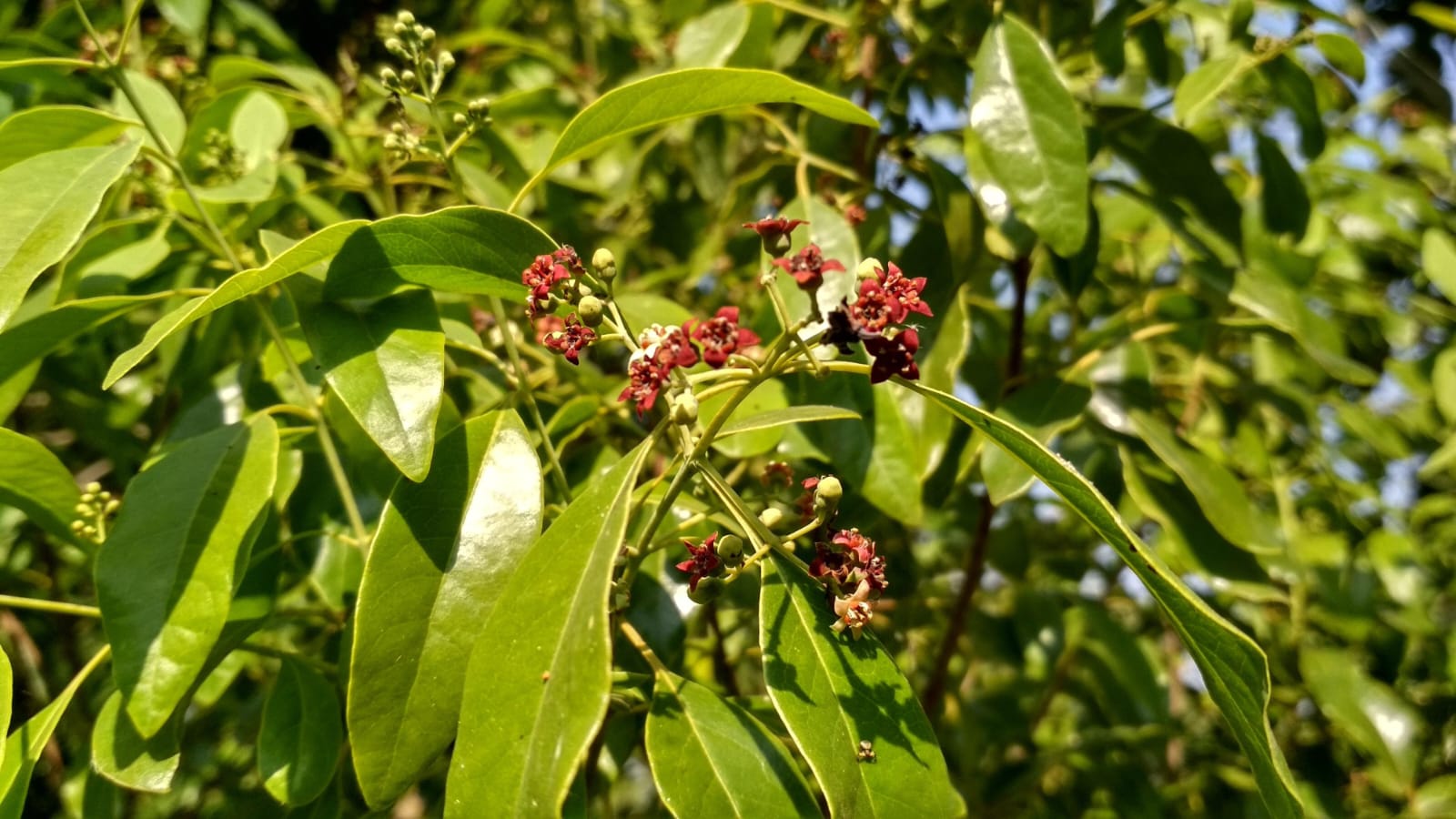
Santalum album
Santalum album
Santalum album, commonly known as Indian sandalwood, is a small evergreen tree native to southern India and Southeast Asia. It’s highly valued for its fragrant heartwood and essential oil, which are used in perfumes, incense, and traditional medicine. The tree grows slowly, taking decades to mature, and is often protected due to its economic and cultural importance.
Santalum spicatum
Santalum is a genus of trees and shrubs best known for producing sandalwood, a fragrant and valuable wood used for centuries in cultural, medicinal, and commercial applications. The most famous species is Santalum album (Indian sandalwood).
Details and Characteristics
- Family: Santalaceae
- Type: Semi-parasitic evergreen tree
- Height: Typically 8–12 meters
- Wood: Dense, yellowish, and aromatic due to its essential oil content
- Oil Content: Found mainly in the heartwood and roots
Uses
- Perfumery: Sandalwood oil is a key ingredient in high-end perfumes and cosmetics for its long-lasting, warm, woody scent.
- Religious and Cultural: Used in incense, rituals, and carvings in Hindu, Buddhist, and other traditions.
- Medicine: In Ayurveda and traditional Chinese medicine, sandalwood oil is used for its calming, antiseptic, and anti-inflammatory properties.
- Woodcraft: The fine-grained wood is carved into ornaments, idols, and decorative items.
Because of overexploitation, many Santalum species—especially Santalum album—are now protected, and cultivation programs promote sustainable harvesting.
Santalum spicatum
Santalum is a genus of trees and shrubs best known for producing sandalwood, a fragrant and valuable wood used for centuries in cultural, medicinal, and commercial applications. The most famous species is Santalum album (Indian sandalwood).
Details and Characteristics
- Family: Santalaceae
- Type: Semi-parasitic evergreen tree
- Height: Typically 8–12 meters
- Wood: Dense, yellowish, and aromatic due to its essential oil content
- Oil Content: Found mainly in the heartwood and roots
Uses
- Perfumery: Sandalwood oil is a key ingredient in high-end perfumes and cosmetics for its long-lasting, warm, woody scent.
- Religious and Cultural: Used in incense, rituals, and carvings in Hindu, Buddhist, and other traditions.
- Medicine: In Ayurveda and traditional Chinese medicine, sandalwood oil is used for its calming, antiseptic, and anti-inflammatory properties.
- Woodcraft: The fine-grained wood is carved into ornaments, idols, and decorative items.
Because of overexploitation, many Santalum species—especially Santalum album—are now protected, and cultivation programs promote sustainable harvesting.
Santalum album chips are small pieces of the heartwood from the Indian sandalwood tree. They are highly aromatic and valued for their rich, long-lasting fragrance.
Details
- Aroma: Sweet, woody, and warm scent that intensifies when burned or soaked in water.
- Religious and Spiritual Use: Commonly used in temples, rituals, and meditation for their calming and purifying properties.
- Incense and Perfume: Ground into powder or distilled to extract sandalwood oil for incense sticks, perfumes, and essential oils.
- Medicinal Use: In traditional medicine, sandalwood chips are used for their cooling, antiseptic, and soothing qualities.
- Cosmetic Use: Powdered chips are used in face packs and skincare for their fragrance and skin-soothing effects.
Additional Information
High-quality Santalum album chips are dense, yellowish-brown, and release a strong aroma even without burning.
Santalum album chips
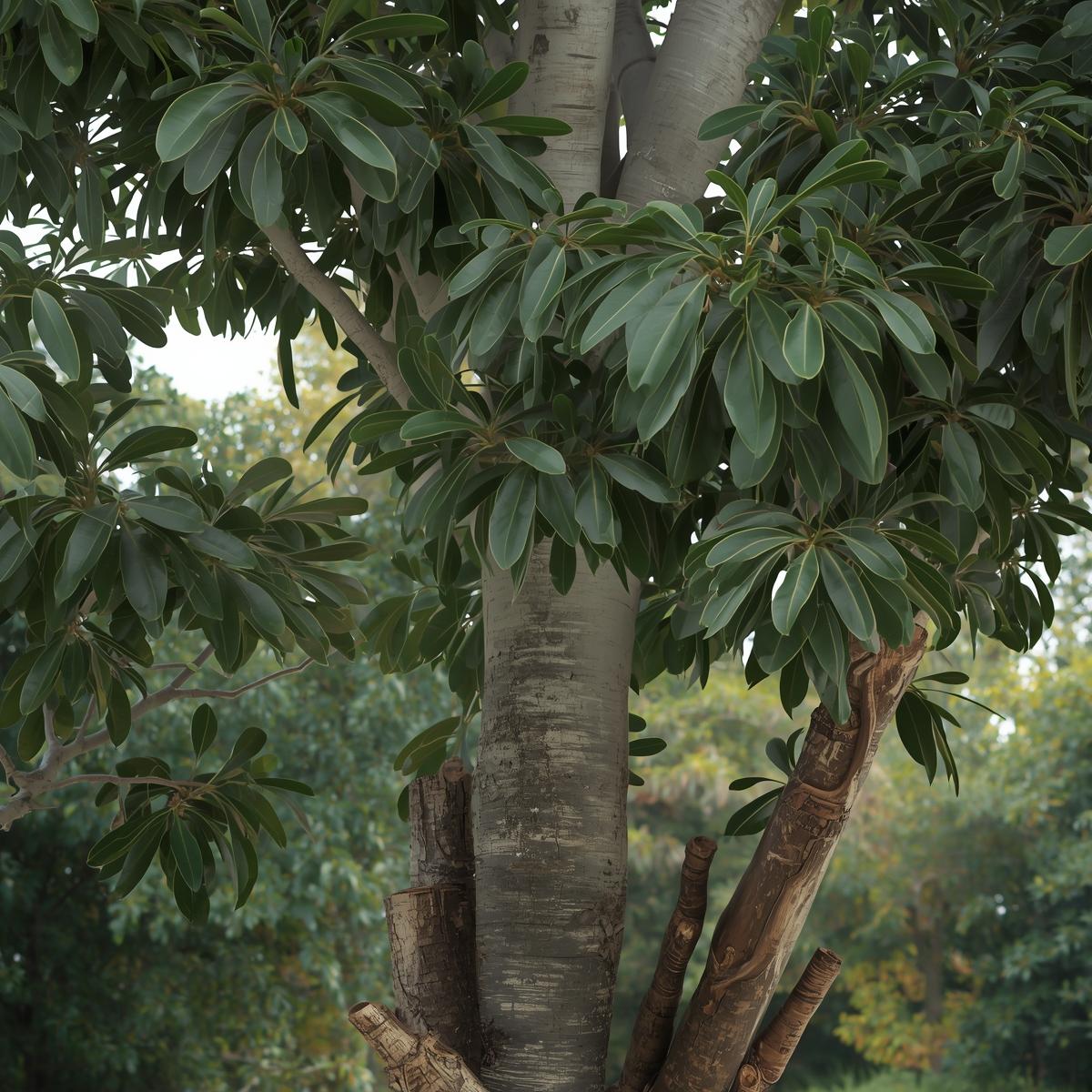
Santalum album chips
Santalum album chips are small pieces of the heartwood from the Indian sandalwood tree. They are highly aromatic and valued for their rich, long-lasting fragrance.
Details
- Aroma: Sweet, woody, and warm scent that intensifies when burned or soaked in water.
- Religious and Spiritual Use: Commonly used in temples, rituals, and meditation for their calming and purifying properties.
- Incense and Perfume: Ground into powder or distilled to extract sandalwood oil for incense sticks, perfumes, and essential oils.
- Medicinal Use: In traditional medicine, sandalwood chips are used for their cooling, antiseptic, and soothing qualities.
- Cosmetic Use: Powdered chips are used in face packs and skincare for their fragrance and skin-soothing effects.
Additional Information
High-quality Santalum album chips are dense, yellowish-brown, and release a strong aroma even without burning.
Australian teak

Australian teak, commonly known as Queensland teak or Flindersia brayleyana, is a durable hardwood native to the rainforests of northeastern Australia. Despite its name, it’s not a true teak (which belongs to the Tectona genus) but shares similar qualities in strength, appearance, and resistance.
Details and Characteristics:
- Appearance: Golden to reddish-brown timber with a fine, even texture and attractive grain patterns.
- Durability: Naturally resistant to decay, termites, and weathering, making it suitable for outdoor and marine applications.
- Workability: Easy to machine, polish, and finish, producing a smooth surface with a natural sheen.
- Uses: Commonly used in high-quality furniture, boat building, flooring, cabinetry, and decorative veneers.
- Sustainability: Harvested under regulated forestry practices in Australia to ensure environmental balance.
Australian teak is prized for its beauty, strength, and longevity, making it a popular alternative to traditional teak in both domestic and commercial projects.
Australian teak
Australian teak, commonly known as Queensland teak or Flindersia brayleyana, is a durable hardwood native to the rainforests of northeastern Australia. Despite its name, it’s not a true teak (which belongs to the Tectona genus) but shares similar qualities in strength, appearance, and resistance.
Details and Characteristics:
- Appearance: Golden to reddish-brown timber with a fine, even texture and attractive grain patterns.
- Durability: Naturally resistant to decay, termites, and weathering, making it suitable for outdoor and marine applications.
- Workability: Easy to machine, polish, and finish, producing a smooth surface with a natural sheen.
- Uses: Commonly used in high-quality furniture, boat building, flooring, cabinetry, and decorative veneers.
- Sustainability: Harvested under regulated forestry practices in Australia to ensure environmental balance.
Australian teak is prized for its beauty, strength, and longevity, making it a popular alternative to traditional teak in both domestic and commercial projects.
Australian pine, scientifically known as Casuarina equisetifolia, is a fast-growing evergreen tree native to Australia, Southeast Asia, and the Pacific Islands. Despite its name, it’s not a true pine but gets its name from its needle-like branchlets that resemble pine needles.
Details and Characteristics:
- Appearance: Tall tree reaching up to 35 meters, with slender, jointed branchlets and small cone-like fruit.
- Wood: Hard, dense, and reddish-brown, often used as firewood or for making furniture and tools.
- Growth: Thrives in sandy, coastal soils and is tolerant of drought and salt, making it ideal for erosion control and windbreaks.
Uses:
- Environmental: Planted to stabilize dunes and prevent soil erosion.
- Timber: Used for poles, fencing, and small-scale construction.
- Fuel: Excellent source of firewood and charcoal due to its high calorific value.
- Ecological Impact: In some regions outside its native range, it’s considered invasive because it outcompetes native vegetation and alters soil composition.
Australian pine is valued for its resilience and utility but must be managed carefully to prevent ecological imbalance.
Australian pine
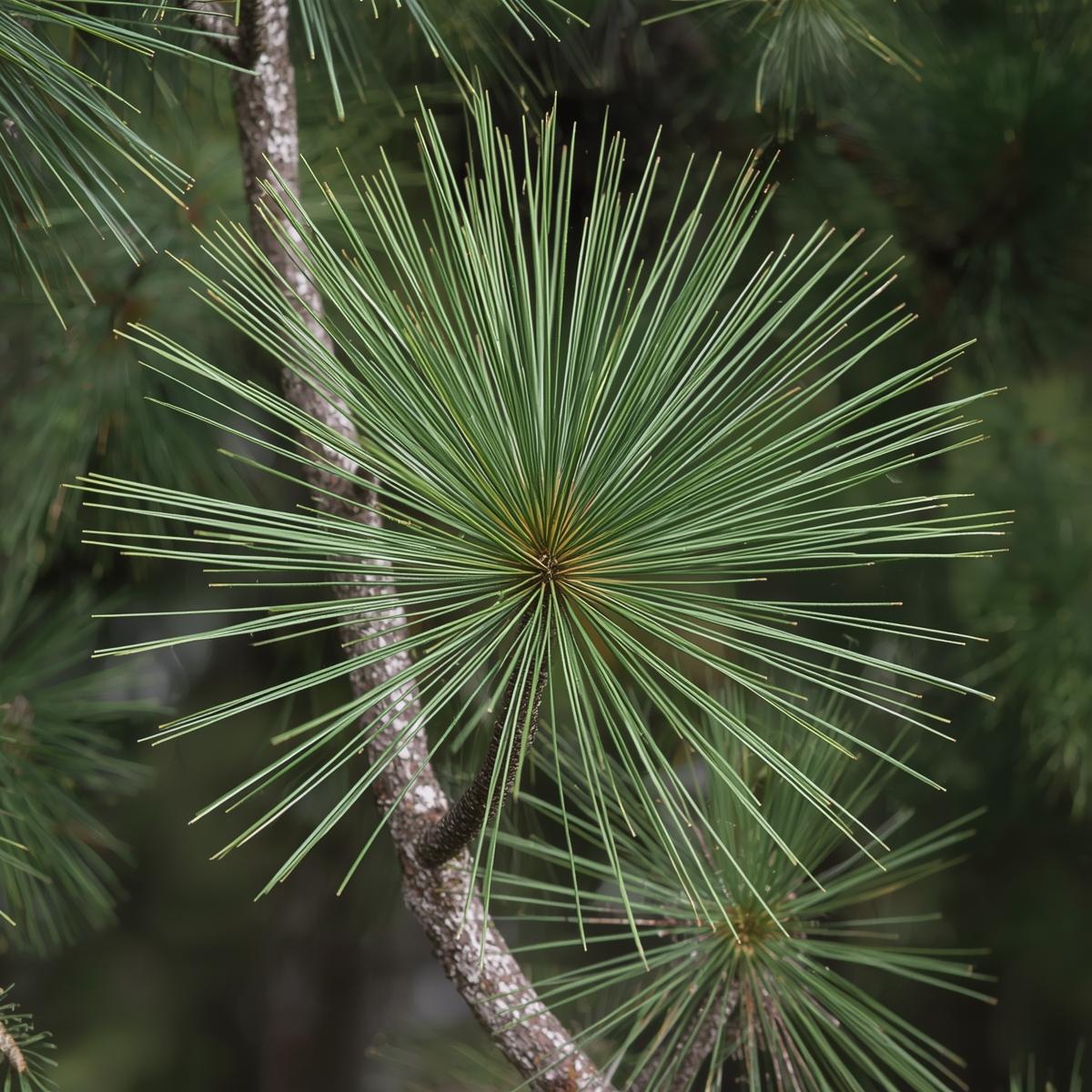
Australian pine
Australian pine, scientifically known as Casuarina equisetifolia, is a fast-growing evergreen tree native to Australia, Southeast Asia, and the Pacific Islands. Despite its name, it’s not a true pine but gets its name from its needle-like branchlets that resemble pine needles.
Details and Characteristics:
- Appearance: Tall tree reaching up to 35 meters, with slender, jointed branchlets and small cone-like fruit.
- Wood: Hard, dense, and reddish-brown, often used as firewood or for making furniture and tools.
- Growth: Thrives in sandy, coastal soils and is tolerant of drought and salt, making it ideal for erosion control and windbreaks.
Uses:
- Environmental: Planted to stabilize dunes and prevent soil erosion.
- Timber: Used for poles, fencing, and small-scale construction.
- Fuel: Excellent source of firewood and charcoal due to its high calorific value.
- Ecological Impact: In some regions outside its native range, it’s considered invasive because it outcompetes native vegetation and alters soil composition.
Australian pine is valued for its resilience and utility but must be managed carefully to prevent ecological imbalance.
Eucalyptus regnans
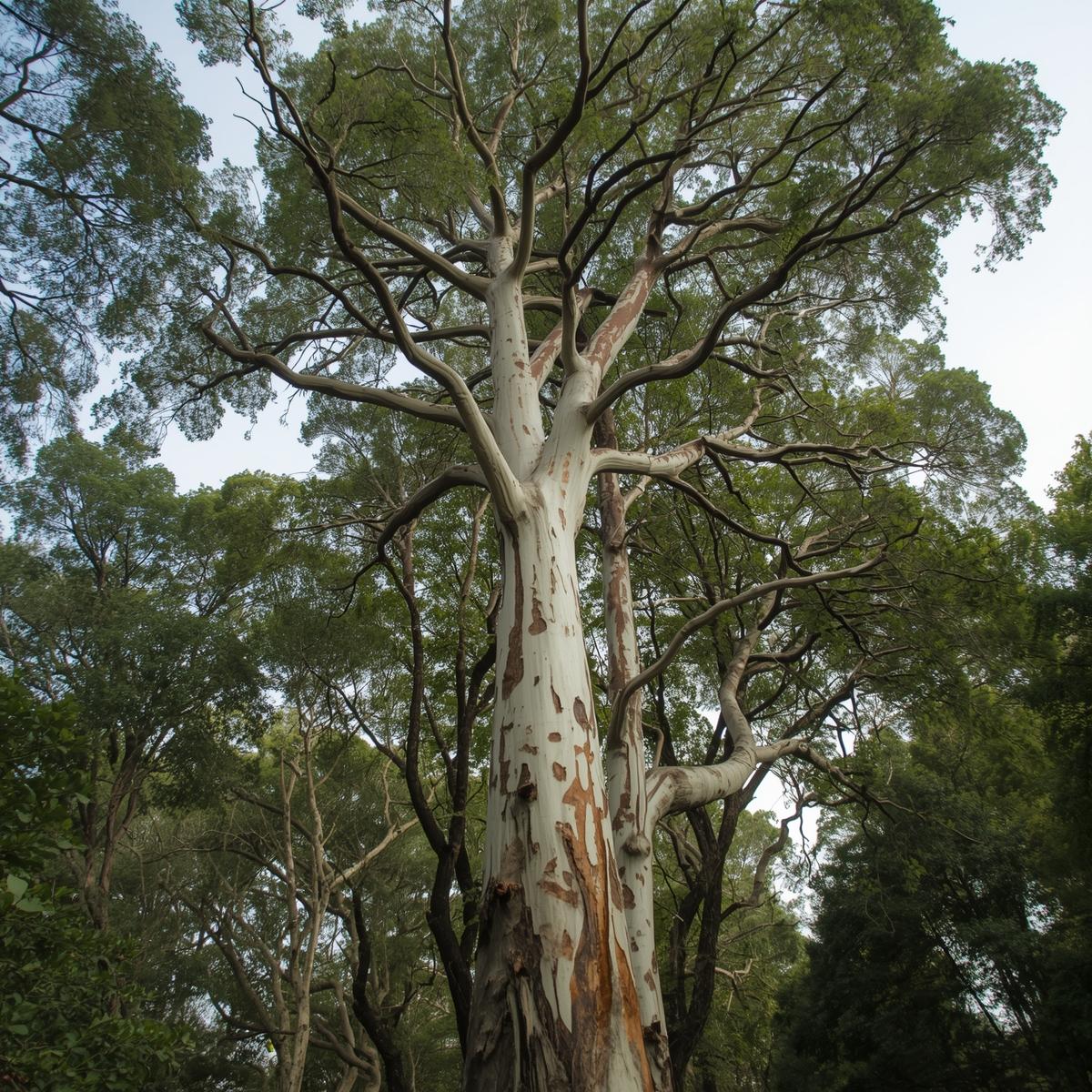
Eucalyptus regnans, commonly known as mountain ash, is one of the tallest tree species in the world and the tallest flowering plant. It’s native to the cool, temperate forests of southeastern Australia, particularly in Tasmania and Victoria.
Details and Characteristics:
- Height: Can exceed 90 meters, with some specimens recorded over 100 meters tall.
- Trunk and Bark: Straight trunk with smooth, pale bark that sheds in long ribbons; older trees may have rough bark at the base.
- Leaves: Lance-shaped, glossy green leaves with a strong eucalyptus scent.
- Flowers: Small white flowers that bloom in clusters, attracting bees and other pollinators.
Uses:
- Timber: Valued for its strength and light color, used in furniture, flooring, plywood, and construction.
- Pulpwood: A major source for paper production due to its fast growth and high cellulose content.
- Ecological Role: Provides habitat for native wildlife, including koalas and various bird species.
- Regeneration: After bushfires, it regenerates rapidly from seed, helping restore forest ecosystems.
Eucalyptus regnans is both an ecological keystone and an economically important species, symbolizing the grandeur of Australia’s native forests.
Eucalyptus regnans
Eucalyptus regnans, commonly known as mountain ash, is one of the tallest tree species in the world and the tallest flowering plant. It’s native to the cool, temperate forests of southeastern Australia, particularly in Tasmania and Victoria.
Details and Characteristics:
- Height: Can exceed 90 meters, with some specimens recorded over 100 meters tall.
- Trunk and Bark: Straight trunk with smooth, pale bark that sheds in long ribbons; older trees may have rough bark at the base.
- Leaves: Lance-shaped, glossy green leaves with a strong eucalyptus scent.
- Flowers: Small white flowers that bloom in clusters, attracting bees and other pollinators.
Uses:
- Timber: Valued for its strength and light color, used in furniture, flooring, plywood, and construction.
- Pulpwood: A major source for paper production due to its fast growth and high cellulose content.
- Ecological Role: Provides habitat for native wildlife, including koalas and various bird species.
- Regeneration: After bushfires, it regenerates rapidly from seed, helping restore forest ecosystems.
Eucalyptus regnans is both an ecological keystone and an economically important species, symbolizing the grandeur of Australia’s native forests.